
Spray Nozzles for Dairy Processing
The dairy processing equipment and industry, be it milk, cheddar, yogurt, or frozen yogurt creation has rigid cleanliness norms. Cooperative energy supply spray nozzles to the dairy business for an assortment of utilizations in the assembling interaction however the primary utilization of our items is in cleaning systems. The idea of a significant number of buildups and the utilization of live societies implies that the cleaning of tanks, vessels, and different pieces of the interaction line is of fundamental significance.
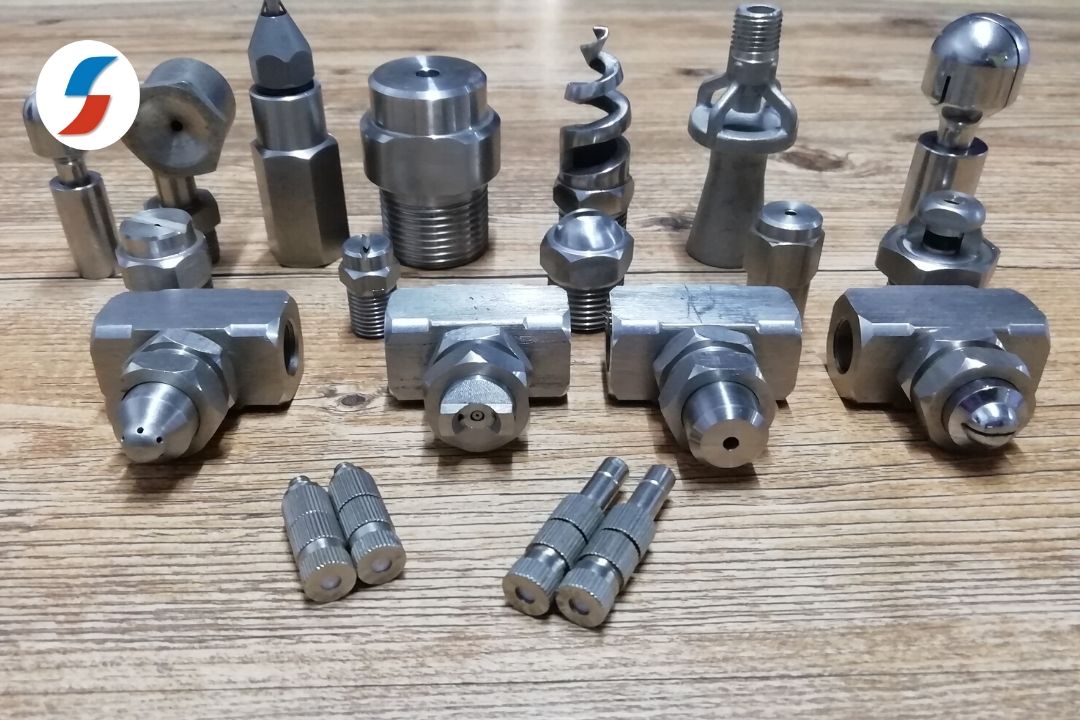
Nozzle
Water utilization
Water utilization in the dairy business is high. Moreover, wastewater has a high natural oxygen interest (BOD) and the high utilization of caustics likewise implies a high compound oxygen interest (COD) from squandered water. This implies that water treatment costs for dairy makers are huge and as an outcome water saving is regularly a key need.
Saving water without bargaining for cleanliness
The right determination of spray nozzles and tank cleaning heads can dramatically affect the water devoured for cleaning. For instance, conventional spray ball tank cleaners are utilized intensely in the dairy business. These basic gadgets give a flushing wash down the dividers of the tank that, over the long run, will eliminate buildup. This is, nonetheless, a wasteful method to spotless as almost no effect is created by the spray ball. Cleaning is accomplished by the dissolvable properties of water and the utilization of caustics to separate harder protein, fat, or mineral stores. Additionally ineffectively picked, low-effect nozzles in other cleaning frameworks likely could be squandering water superfluously
More powerful arrangements
While we proceed to supply and spray balls and other low-effect cleaning nozzles SYNERGY has a scope of more proficient tank cleaning heads/nozzles that can save huge measures of water. Revolving plane cleaning heads, for instance, give a definitive in water productive tank cleaning. Since they have high effect water flies that detonate outwards on contact with the tank divider they will eliminate even extreme buildups with a small portion of the water.
To become familiar with quick cycle fly cleaners can save water and advance CIP frameworks if it's not too much trouble, read the article connected below.
The new variety of quick cycle rotational stream cleaners implies that much of the time they can be retrofitted to existing CIP systems. What can be changed is the time taken to perfect and the general water burned-through per wash cycle. Both can be drastically diminished bringing about an undeniably more productive cleaning framework.
Other simple-to-execute changes in spout type can convey comparative productivity gains in other cleaning applications on the cycle line.
Severe cleanliness is of fundamental significance in all parts of dairy creation. The expense of helpless cleaning can be cataclysmic bringing about demolished bunches, item reviews, or more awful still polluted and possibly pathogenic items arriving at the market. No dairy maker endures long in the event that they hold back on cleanliness guidelines.
Phases of the cleaning cycle
Contingent upon the sort of tank and buildups the cleaning cycle will run in various stages regularly including a few or the entirety of the accompanying key stages.
- Pre-flush. To get the item buildup.
- This is intended to eliminate any buildup on the tank divider so the whole surface region is uncovered for the cleaning stages.
- Alkali harsh. This will separate protein and fat buildups making them simpler to wash off
- Acid scathing. A corrosive stage will be utilized to separate mineral stores (milk stone)
- Final flush. A perfect water wash to eliminate any impurities staying from past stages.
- The wash stage is basic to get right in light of the fact that an inability to eliminate the heft of the buildup will imply that the caustics may not get into contact with their objectives as they are ensured under a layer of grime. This implies fats, proteins, and minerals may develop over the long haul permitting a spot for microorganisms to develop.
Sanitizing burrows
Spray nozzles are utilized broadly in sanitizing burrows. In these frameworks, the objective of the sanitization interaction is to go through a spray burrow. Warm water is sprayed onto the objective to warm it to the necessary purification temperature. It is then held at this temperature for the necessary time for microbial impediment and afterward delicately cooled with a cooling spray.
The utilization of sprays, as opposed to showers of fluid, takes into account a more exact control of the warming and cooling stages. The nozzles serve to enormously build the surface space of the fluid and increment heat movement. This implies less energy is squandered and the proficiency of the framework is improved.
Spray Nozzle choice
Spray sanitization burrows require numerous nozzles spraying in closeness to the item. In an ideal world, the goal is to give the objective a steady and even inclusion of little drops. These little drops will quickly move warmth to the objective (in the warming stage) or away (in the cooling stage).
The most ordinarily utilized spray nozzles are empty cones as these item the littlest drops. The lopsided ring-like spray design is made up for by having different covering spray designs. The covering empty cone designs give an even circulation of little beads which work with an even and fast warmth move. Another benefit of empty cone nozzles is that they are generally accessible in digressive spin plans which help save space when headroom is restricted.
Air nozzle choice
The cooling period of the sanitization interaction can likewise be cultivated by utilizing direct planes of cool air. This cools as well as dries the item. A constant flow of cool moderately high effect air produced from air cutting edges can accomplish this.
Water productivity in dairy spray applications
The dairy business has high water costs. This is because of high water utilization and the moderately significant expense of treating wastewater. Reducing water expenses is a central point of interest for some dairy makers. Choosing the right spray nozzles and tank cleaners for the work can help accomplish this objective. With tank cleaning specifically moving away from old spray ball innovation and over to the more water-productive impingement cleaners will regularly have a sensational decrease in water utilization.
How we work with your plant
A short technical exchange usually gets to the right answer quickly.
Share the duty
Tell us the process step, the problem and any existing nozzles in use.
Technical review
Our engineers check pattern, flow, droplet size and material against the duty.
Proposal
You receive a nozzle list or system layout with quotation.
Supply & support
Supply, installation guidance and after-sales support for spares and upgrades.
Explore related solutions

Tank Cleaning
Spray balls, rotating heads and jet cleaners that clean vessels faster with less water and chemical.
Explore
Spray Drying
Consistent droplet size for consistent powder in dairy, food, chemical and ceramic spray dryers.
Explore
Bottle Washing Nozzles
Stainless steel nozzles for container rinsers and washers in beverage, dairy and pharma lines.
ExploreChemical Processing
Spray nozzles for chemical processing: scrubbing, cooling, tank cleaning, mixing and injection in corrosion-resistant materials.
ExploreOil, Gas & Petrochemical
Spray nozzles for refineries and petrochemical plants: gas cooling, scrubbing, tank cleaning and fire protection.
ExplorePaper & Pulp
Paper mill spray nozzles: showers, trim squirts, felt cleaning, moistening and coating nozzles for pulp and paper machines.
ExploreQuestions about dairy processing
Do you work with OEMs and EPC contractors?
Yes, we supply nozzles and spray systems to plant owners, OEMs and EPC contractors.
Can you replace nozzles from other brands?
Yes. Share the existing model details and we will suggest an equivalent from our range.
Where do you supply?
We supply across India from our Chennai head office and sales offices.