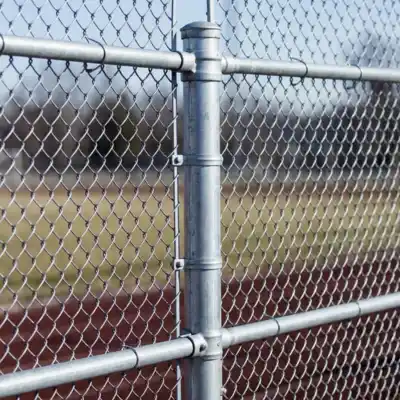
Wind Fence for Dust Control in Chhattisgarh

Industrial areas across Chhattisgarh, especially in cities such as Raipur, Bhilai, Korba, Raigarh, Bilaspur, and Durg, face significant dust-related challenges due to the large-scale storage and handling of bulk materials such as coal, iron ore, and fly ash. Continuous exposure to strong winds causes fine particles to disperse easily, leading to air pollution, reduced operational efficiency, and challenges in meeting environmental compliance standards.
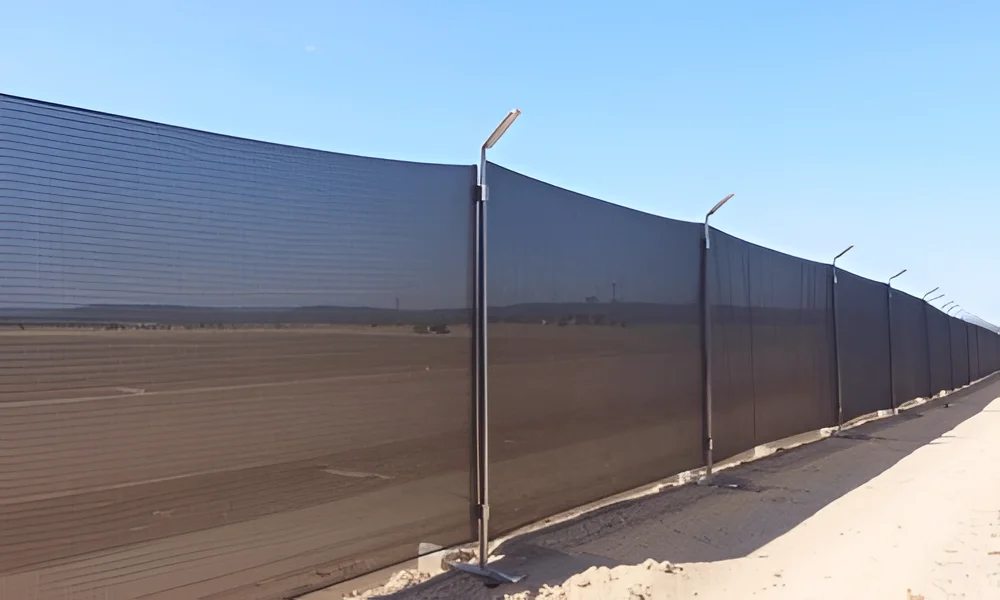
A wind fence for dust control is an advanced solution designed to regulate airflow and reduce dust emissions at the source. By lowering wind velocity around stockyards, it helps prevent fine particles from becoming airborne.

Synergy Spray offers engineered industrial wind barrier systems tailored to the specific needs of industries in Chhattisgarh.

Why Dust Control Fence Are Important for Industrial Dust Suppression

In open industrial environments, wind plays a major role in lifting and transporting dust particles. Without proper control, this leads to excessive dust spread and material loss.
Why Dust Control Fence Are Important

Wind fence systems for dust suppression are essential because they:

  • Reduce wind speed across exposed surfaces
  • Control dust generation at the source
  • Minimize wind erosion in coal yards and stockpiles
  • Support compliance with pollution control regulations
  • Improve workplace safety and visibility

Industries in Raipur, Bhilai, and Korba rely on these systems for effective air pollution control in industrial areas.

Types of Wind Barriers for Industrial Dust Control

Synergy Spray provides different types of wind barriers for dust suppression, designed to suit varying industrial conditions.

1. Perforated Metal Wind Fence Panels

Heavy-duty industrial wind fence panels made from metal sheets with optimized perforation for maximum durability and airflow control.

2. HDPE Wind Fence Nets / Polymer Mesh Barriers

Lightweight and corrosion-resistant wind fence nets for dust control, suitable for long-term outdoor installations.

3. Custom-Engineered Wind Barrier Systems

Designed based on:

  • Wind speed and direction
  • Stockyard layout
  • Required protection zone
  • Optimal porosity for dust control efficiency

4. Hybrid Wind Fence Structures

Combination of rigid panels and flexible mesh for improved performance in high wind zones.

Applications of windbreak fence for dust control in Industrial Plants

Wind fence systems for dust control are widely used across multiple industries in Chhattisgarh where bulk material handling is common.
Applications of windbreak fence for dust control
  • Coal yard dust control in thermal power plants
  • Mining dust suppression systems
  • Steel and sponge iron plant dust management
  • Cement plant and clinker yard protection
  • Fly ash storage dust control

These systems are highly effective in reducing fugitive dust emissions in open environments.

Benefits of Wind Wall Fence Systems for Dust Suppression

Installing a windbreak fence for dust control in Assam offers multiple advantages:
Reduces PM10 and PM2.5 particulate matter
Improves air quality in and around industrial zones
Helps meet environmental compliance standards
Reduces material loss due to wind erosion
Enhances visibility and worker safety
Protects machinery from dust accumulation

Why Choose Synergy Spray for Wind Fence in Chhattisgarh

Synergy Spray is a leading provider of industrial dust control systems in India, offering customized wind fence solutions.

Our expertise includes:

  • Site-specific wind analysis and design
  • High-quality wind fence panels and structures
  • End-to-end installation support
  • Integration with fogging and misting systems
  • Proven solutions for coal yards, mining, and heavy industries

We deliver reliable wind fence systems for dust suppression in Chhattisgarh that ensure long-term performance and efficiency.

FAQs on Wind Fence for Dust Control Systems

How do we determine the required height of a wind fence for our stockyard?

The height of the wind fence depends on the maximum height of the stockpile and the area to be protected. Typically, the fence height is designed to be equal to or slightly higher than the stockpile, as the protected zone extends up to 10–15 times the fence height on the downwind side.

What is the ideal porosity for effective dust control?

For most industrial applications, the optimal porosity ranges between 40% to 60%. This allows controlled airflow, reduces wind speed, and prevents turbulence, which is critical for effective dust suppression.

Can wind fence systems handle high wind speeds in industrial zones?

Yes, properly engineered wind fences are designed to withstand high wind loads. Structural design, foundation strength, and material selection are customized based on site-specific wind conditions in regions like Chhattisgarh.

How much dust reduction can we expect after installation?

A well-designed wind fence system can reduce wind velocity by 50–75%, which can significantly lower dust emissions. In many cases, industries observe visible dust reduction and improved air quality within the facility.

Do wind fences completely eliminate the need for water spraying systems?

No. Wind fences reduce dust generation at the source, but for complete dust control, they are often used along with fogging systems, misting systems, or water spray systems for maximum efficiency.

What materials are best suited for long-term industrial use?

Common materials include:

  • Perforated metal sheets for heavy-duty applications
  • HDPE or polymer mesh for corrosion resistance and flexibility.

The selection depends on environmental conditions and project requirements.

What is the expected lifespan of a wind fence system?

With proper materials and installation, wind fence systems typically last 10 to 20 years, depending on environmental exposure and maintenance practices.

© 2026 All Rights Reserved | Synergy Spray Systems | Powered by EKA HR Consulting Private Limited

phonemap-marker